Proteins in Daily Diets
February 2026
Understanding Proteins
Proteins are complex macromolecules composed of amino acids linked together in specific sequences. These molecules perform numerous functions in the human body, including structural support, enzymatic activity, immune response, and cellular signalling. Proteins are essential components of cells, tissues, and organs.
The human body requires twenty different amino acids to synthesise the proteins it needs. Nine of these amino acids are classified as essential, meaning they must be obtained from dietary sources, as the body cannot produce them independently.
Sources of Dietary Protein
Proteins are found in a wide variety of foods, both from animal and plant sources. Each source provides a different amino acid profile and nutritional composition:
Animal-Based Sources
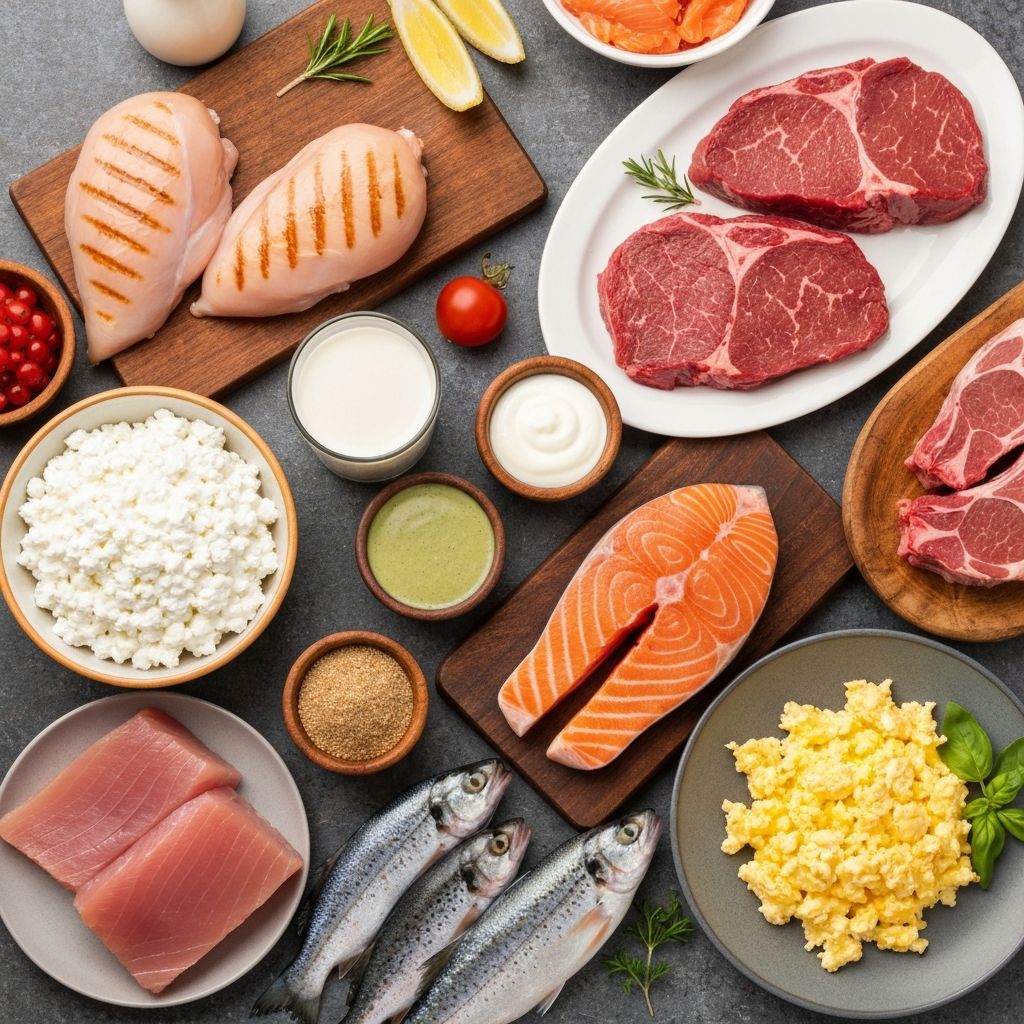
Animal products typically contain all essential amino acids in proportions that align closely with human nutritional patterns. Common animal-based protein sources include:
- Meat such as beef, pork, lamb, and poultry
- Fish and seafood including salmon, tuna, cod, and shellfish
- Eggs from various poultry species
- Dairy products such as milk, cheese, and yoghurt
Plant-Based Sources
Plant foods also provide proteins, though individual plant sources may not contain all essential amino acids in the same proportions as animal products. Common plant-based protein sources include:
- Legumes such as lentils, chickpeas, and various beans
- Soya products including tofu, tempeh, and edamame
- Nuts and seeds such as almonds, walnuts, chia seeds, and hemp seeds
- Whole grains including quinoa, oats, and wheat
Protein Functions in the Body
Proteins serve multiple roles in maintaining bodily processes. Some key functions include:
- Structural support for tissues, including muscle, skin, hair, and connective tissues
- Enzymatic activity that facilitates biochemical reactions throughout the body
- Transport and storage of molecules such as oxygen and nutrients
- Immune system function through the production of antibodies
- Cellular communication via hormone and receptor proteins
Protein Digestion and Absorption
When proteins are consumed, they undergo digestion in the stomach and small intestine. Digestive enzymes break down protein molecules into smaller peptides and eventually into individual amino acids. These amino acids are then absorbed through the intestinal wall and transported via the bloodstream to cells throughout the body, where they are used to synthesise new proteins or serve other metabolic functions.
Diversity in Protein Consumption
Different cultures and dietary patterns incorporate proteins in various ways. Some individuals consume predominantly animal-based proteins, while others rely more heavily on plant-based sources. Many people incorporate a combination of both types in their daily eating patterns.
The variety of protein sources available allows for considerable flexibility in how individuals structure their diets. Factors such as cultural traditions, ethical considerations, availability, and personal preferences all influence protein choices.
Limitations and Context
This article provides educational information about proteins and their general role in human nutrition. It does not constitute personalised dietary advice, medical recommendations, or individualised nutritional guidance.
Individual protein requirements vary based on numerous factors including age, activity level, health status, and metabolic characteristics. The information presented here is intended to explain concepts rather than prescribe specific dietary actions.
For personalised guidance regarding protein intake or dietary planning, consult qualified healthcare professionals or registered nutritionists who can assess individual circumstances and provide tailored recommendations.