An educational guide to proteins, fats, and carbohydrates in daily diets
Learn moreMacronutrients are the three main categories of nutrients that provide energy and support various bodily functions. These include proteins, fats, and carbohydrates. Each plays a distinct role in maintaining overall health and wellbeing.
This educational resource explores how these macronutrients function in the human body, their various sources, and their general significance in daily nutrition. The information presented here is for educational purposes only and does not constitute personalised dietary advice.
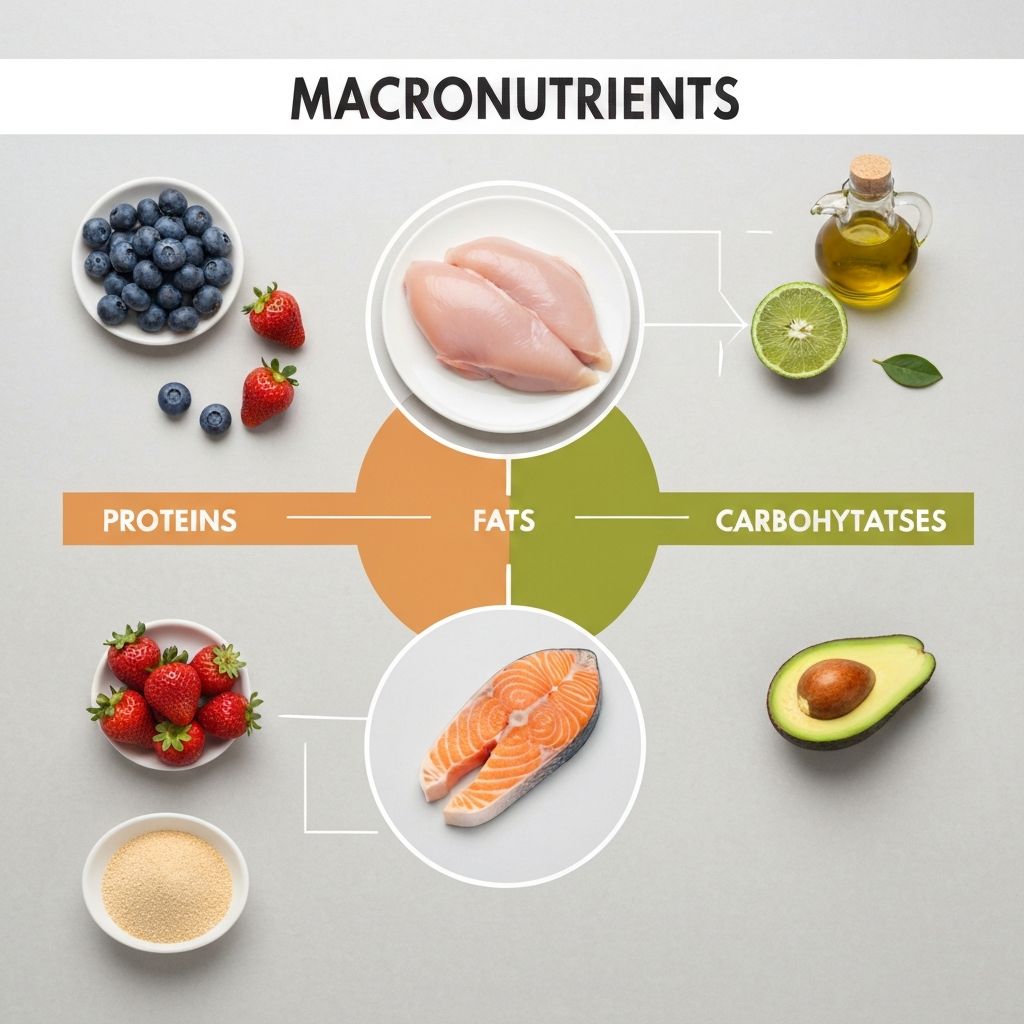
Proteins are complex molecules composed of amino acids. They serve numerous functions in the body, including tissue repair, enzyme production, and immune system support. Proteins are found in various food sources, both animal-based and plant-based.
Common sources include meat, fish, eggs, dairy products, legumes, nuts, and seeds. Different foods contain varying amino acid profiles, contributing to the diversity of protein sources in human nutrition.
Dietary fats are essential macronutrients that contribute to various bodily processes, including hormone production, vitamin absorption, and energy storage. Fats are categorised into different types, including saturated, unsaturated, and trans fats, each with distinct chemical structures.
Sources of dietary fats include oils, nuts, seeds, avocados, fatty fish, and dairy products. Understanding the variety of fat sources can help individuals make informed choices about their daily food intake.
Carbohydrates are organic compounds that serve as a primary energy source for many bodily functions. They are found in sugars, starches, and fibres, and are present in a wide range of foods including grains, fruits, vegetables, and legumes.
Carbohydrates are broken down into glucose, which is used by cells for energy. The complexity of carbohydrate structures varies, with simple carbohydrates being quickly absorbed and complex carbohydrates providing more sustained energy release.
Detailed exploration of protein sources and their various roles in human nutrition.
Read in detailUnderstanding different types of fats and their presence in everyday foods.
Read in detailLearning about carbohydrate structures and their function as energy sources.
Read in detailThe information provided on this website is for educational purposes only. It does not constitute medical advice, dietary recommendations, or personalised nutritional guidance. Different individuals have varying nutritional requirements based on numerous factors.
This resource explains general concepts about macronutrients and does not replace professional consultation. Always consider consulting qualified professionals for personalised dietary matters.
Educational content only. No medical services. No promises of outcomes.
Explore further