Carbohydrates and Energy Balance
February 2026
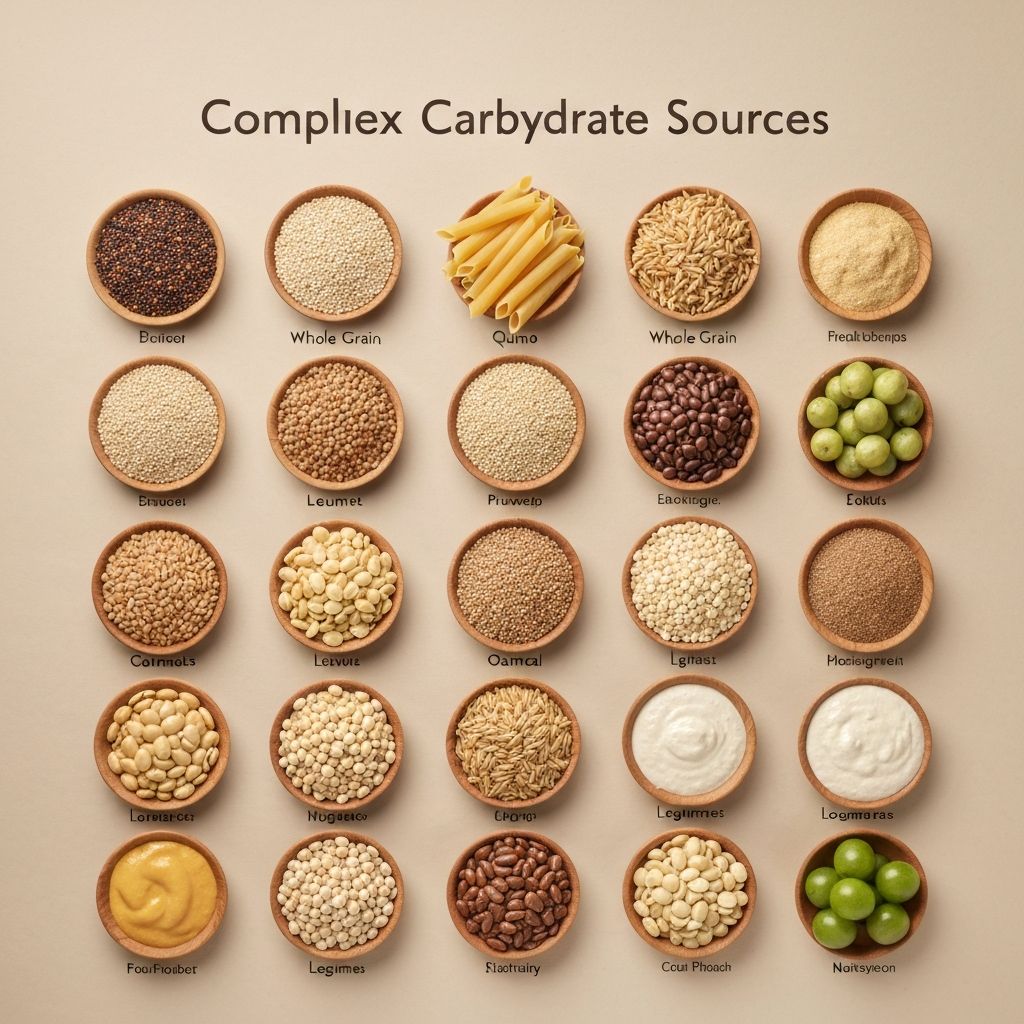
Understanding Carbohydrates
Carbohydrates are organic compounds composed of carbon, hydrogen, and oxygen atoms. They represent one of the three primary macronutrients and serve as a major energy source for many bodily functions. Carbohydrates are found in a diverse range of foods, from grains and fruits to vegetables and legumes.
Chemically, carbohydrates range from simple sugars to complex polysaccharides. Their structure influences how they are digested, absorbed, and utilised by the body.
Types of Carbohydrates
Carbohydrates are classified based on their molecular structure and complexity:
Simple Carbohydrates
Simple carbohydrates, also known as simple sugars or monosaccharides and disaccharides, consist of one or two sugar molecules. These include glucose, fructose, and sucrose. Simple carbohydrates are quickly digested and absorbed, leading to rapid increases in blood glucose levels.
Natural sources of simple carbohydrates include fruits, milk, and honey. They are also present in refined products such as table sugar and many processed foods.
Complex Carbohydrates
Complex carbohydrates, or polysaccharides, consist of long chains of sugar molecules bonded together. These include starches and dietary fibres. Complex carbohydrates generally take longer to digest than simple carbohydrates, resulting in a more gradual release of glucose into the bloodstream.
Sources of complex carbohydrates include whole grains, legumes, starchy vegetables, and some fruits. Foods rich in complex carbohydrates often contain additional nutrients such as vitamins, minerals, and fibre.
Dietary Fibre
Dietary fibre is a type of carbohydrate that the human digestive system cannot fully break down. Fibre passes through the digestive tract largely intact and serves various functions, including supporting digestive health and contributing to feelings of satiety. Fibre is found in fruits, vegetables, whole grains, legumes, nuts, and seeds.
Sources of Carbohydrates
Carbohydrates are present in numerous foods across different categories:
- Grains including wheat, rice, oats, barley, and quinoa
- Bread, pasta, and cereals made from various grains
- Starchy vegetables such as potatoes, sweet potatoes, and maize
- Legumes including beans, lentils, and chickpeas
- Fruits such as apples, bananas, berries, and citrus fruits
- Vegetables including carrots, peas, and squash
- Dairy products containing lactose
- Sweeteners such as sugar, honey, and syrups
Carbohydrate Metabolism and Energy
When carbohydrates are consumed, they are broken down during digestion into simpler sugar molecules, primarily glucose. Glucose is then absorbed into the bloodstream and transported to cells throughout the body.
Cells use glucose as a primary fuel source for energy production through cellular respiration. Glucose can be used immediately for energy or stored in the liver and muscles as glycogen for later use. When glycogen stores are full, excess glucose can be converted into fat for long-term energy storage.
The hormone insulin plays a crucial role in regulating blood glucose levels by facilitating the uptake of glucose into cells. Other hormones, such as glucagon, help maintain blood glucose levels between meals by promoting the release of stored glucose.
Glycaemic Response
Different carbohydrate-containing foods affect blood glucose levels at varying rates and magnitudes. This response is influenced by factors such as the type of carbohydrate, the presence of fibre, fat, and protein in the meal, food processing methods, and individual metabolic characteristics.
Foods containing simple carbohydrates or refined grains typically produce a more rapid increase in blood glucose compared to foods rich in complex carbohydrates and fibre. However, the overall dietary context and individual responses can vary considerably.
Carbohydrates in Dietary Patterns
Different cultures and dietary traditions incorporate carbohydrates in varying amounts and forms. Some dietary patterns emphasise whole grains and legumes, while others may include more refined carbohydrate sources. The role of carbohydrates in nutrition continues to be explored through ongoing research.
Individual preferences, cultural backgrounds, food availability, and activity levels all influence how people incorporate carbohydrates into their daily eating patterns. There is considerable diversity in carbohydrate consumption across different populations and lifestyles.
Limitations and Context
This article provides educational information about carbohydrates and their general role in human nutrition. It does not constitute personalised dietary advice, medical recommendations, or individualised nutritional guidance.
Individual carbohydrate requirements vary based on numerous factors including age, activity level, metabolic characteristics, and health status. The information presented here is intended to explain concepts rather than prescribe specific dietary actions.
For personalised guidance regarding carbohydrate intake or dietary planning, consult qualified healthcare professionals or registered nutritionists who can assess individual circumstances and provide tailored recommendations.