Fats and Healthy Eating
February 2026
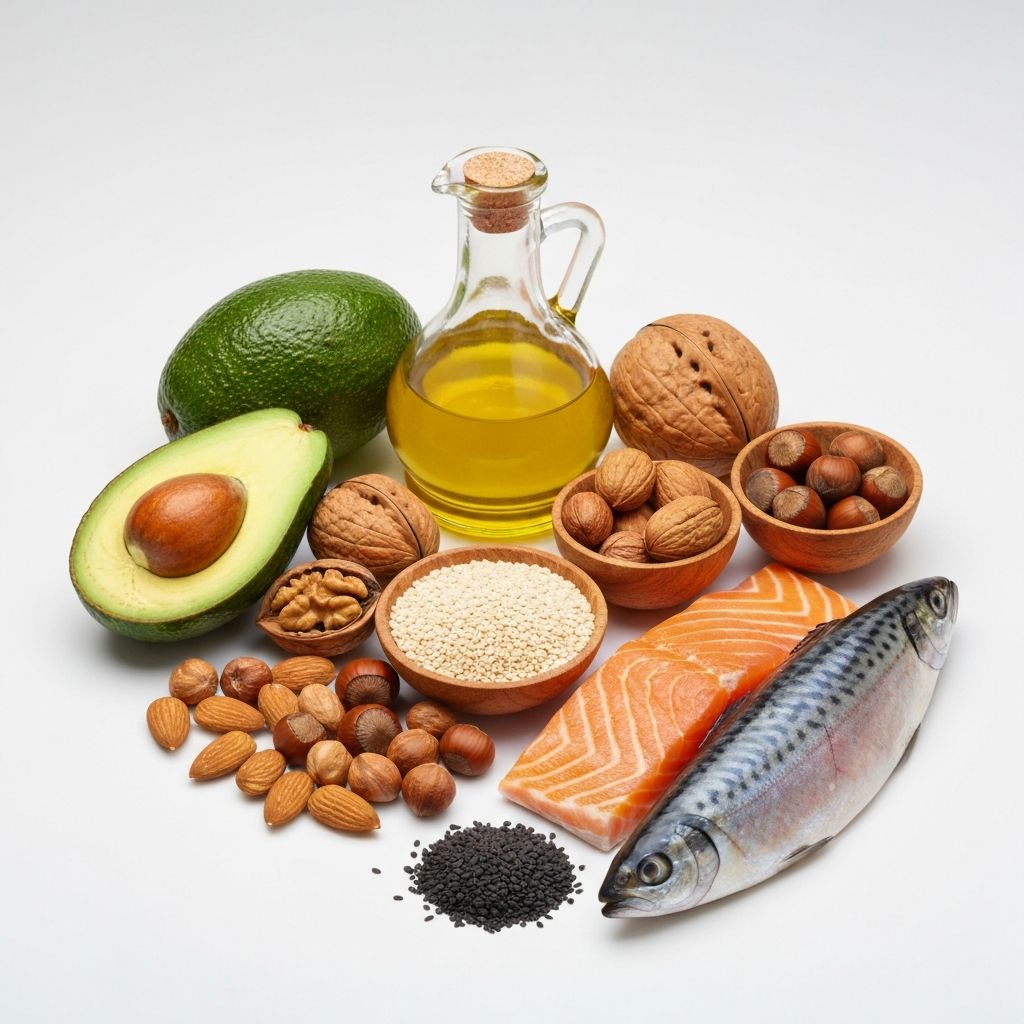
Understanding Dietary Fats
Dietary fats, also known as lipids, are essential macronutrients that serve numerous functions in the human body. Fats are composed of fatty acids and glycerol, forming complex molecules that provide energy, support cell structure, and facilitate various physiological processes.
Fats are the most energy-dense macronutrient, providing approximately nine calories per gram, compared to four calories per gram for proteins and carbohydrates. This high energy density makes fats an efficient form of energy storage in the body.
Types of Dietary Fats
Dietary fats are classified into several categories based on their chemical structure and physical properties:
Saturated Fats
Saturated fats contain no double bonds between carbon atoms in their fatty acid chains. These fats are typically solid at room temperature and are found primarily in animal products and some plant sources such as coconut and palm oil. Common sources include butter, cheese, fatty meats, and tropical oils.
Unsaturated Fats
Unsaturated fats contain one or more double bonds in their fatty acid chains. These are further divided into monounsaturated fats (one double bond) and polyunsaturated fats (multiple double bonds). Unsaturated fats are typically liquid at room temperature.
Monounsaturated fats are found in foods such as olive oil, avocados, and certain nuts. Polyunsaturated fats include omega-3 and omega-6 fatty acids, which are found in fatty fish, walnuts, flaxseeds, and various plant oils.
Trans Fats
Trans fats can occur naturally in small amounts in some animal products or be created through industrial processing. They have a different chemical configuration than other unsaturated fats. Many health organisations have raised concerns about artificially produced trans fats, leading to regulatory restrictions in various countries.
Sources of Dietary Fats
Fats are present in a wide variety of foods from both animal and plant sources:
- Oils such as olive oil, rapeseed oil, sunflower oil, and coconut oil
- Nuts including almonds, walnuts, cashews, and pistachios
- Seeds such as chia seeds, flaxseeds, and pumpkin seeds
- Avocados and olives
- Fatty fish including salmon, mackerel, sardines, and herring
- Dairy products such as butter, cheese, and cream
- Meat products with varying fat content
Functions of Fats in the Body
Dietary fats serve multiple essential roles in human physiology:
- Energy provision and storage for future use
- Absorption and transport of fat-soluble vitamins (A, D, E, and K)
- Cell membrane structure and function
- Production of hormones and signalling molecules
- Protection and insulation for organs
- Brain structure and function support
Fat Digestion and Metabolism
The digestion of dietary fats begins in the mouth with lingual lipase and continues primarily in the small intestine. Bile acids produced by the liver help emulsify fats, breaking them into smaller droplets. Pancreatic enzymes then break down these fats into fatty acids and monoglycerides, which are absorbed through the intestinal wall.
Once absorbed, fatty acids are either used immediately for energy, incorporated into cell structures, or stored in adipose tissue for later use. The metabolism of fats involves complex biochemical pathways that interact with carbohydrate and protein metabolism.
Dietary Fat Considerations
Different dietary patterns incorporate fats in various proportions and from different sources. Some eating patterns emphasise plant-based fat sources, while others include a mixture of animal and plant fats. Cultural traditions, food availability, and personal preferences all influence how fats are included in daily diets.
The scientific understanding of fats and their role in nutrition has evolved over time, with ongoing research exploring the nuances of different fat types and their effects on various aspects of health.
Limitations and Context
This article provides educational information about dietary fats and their general characteristics. It does not constitute personalised dietary advice, medical recommendations, or individualised nutritional guidance.
Individual fat requirements and optimal fat intake vary based on numerous factors including age, activity level, metabolic characteristics, and health status. The information presented here is intended to explain concepts rather than prescribe specific dietary actions.
For personalised guidance regarding fat intake or dietary planning, consult qualified healthcare professionals or registered nutritionists who can assess individual circumstances and provide tailored recommendations.